Balance
“The point of balance in the body moves, but it does not change.”
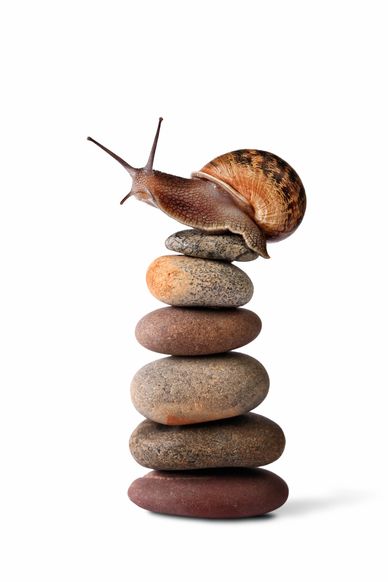
In my mind, The body is a dynamic system that, at every moment, can arrange its limbs differently in order to maintain balance. This shows that the point of balance the body uses to organize itself is not stationary.
Another perspective is that this point can remain constant across daily activities and different movements. For instance, the pelvis may consistently function as the body’s primary point of balance. depending on how well the body maintains and adapts this balance principle,
injuries to bones, joints, muscles, and nerves may either worsen or recover .
“The point of balance in the body moves, but it does not change.”

“The point of balance in the body moves.”
In theory, it seems obvious that when we are standing balanced on one leg and want to move the hanging leg forward away from the trunk, in order to maintain balance we must shift our point of balance so that the weight of the hanging leg, now moving farther from the body, does not disrupt our balance.
This is also true when both feet are on the ground. Even when standing on two feet, we are constantly maintaining balance and must move our point of balance. For example, when we move our arm away from our body, lift something from beside us and bring it forward, take a step to walk, or even when we are lying down and roll over.

When we do not move the point of balance in the body, the muscles compensate by attaching more forcefully to the joints closest to them in order to maintain balance while the point of balance remains farther away. This can lead to muscle tightness and pain, joint pain, nerve tension, and other issues.
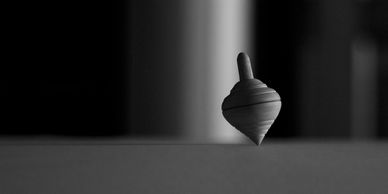
The point of balance in the body does not change.
My theory is that in every movement, I keep my body balanced around a single point, and that point, for me, is the pelvis. This means that in every daily movement or shift, I first move my pelvis—at an appropriate speed—as the sole point of balance toward the new center of gravity, so it arrives in position in time. Then I arrange the rest of my body based on this new center of gravity.

In situations where the required movement of this point is very small (micro-movements), I imagine my hip like a gyroscope that is always in balance.
There are also times when the movement of the balance point is small but requires high physical strength. In these cases, I control my muscles and joints starting from those closest to the balance point (the pelvis), generating the greatest force from the muscles and joints nearest to it. As I move farther from the pelvis, I use the joints and muscles mainly for guidance, direction, and fine control within the balance process.
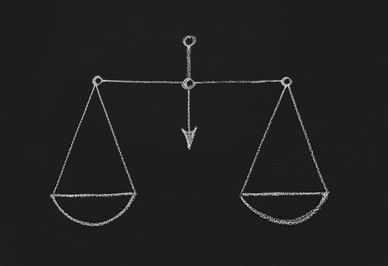
I continuously adjust my pelvis so it remains the main reference point for my balance. In daily life and activities like exercise, dance, walking, and play, I keep my center of mass aligned around the pelvis to maintain stable and controlled movement.
This way of thinking about the mechanical state of balance in the body—or any similar perspective or hypothesis—can be applied moment by moment in everyday life.

”The views expressed here reflect a personal perspective and theoretical interpretation of human body function and are intended for explanatory purposes only, not as medical advice.”