Lungs 🫁

The lungs are a specialized type of chamber whose function operates automatically according to the principles of physics and mechanics. Due to their material composition, structural design, geometric configuration, and anatomical position within the body, they enable one of the most vital physiological exchanges essential for sustaining life.
Within this system, the lungs serve solely as passive chambers.

In the lungs, there are three main types of movement, all serving the same purpose:
bringing oxygen into the body and removing carbon dioxide from it.
Exhalation – mechanical and visible
The first is exhalation, which happens through the contraction of the diaphragm, a dome-shaped muscle attached to the ribs, spine, and sternum.
When the diaphragm contracts upward, it compresses the thoracic cavity and forces air out of the lungs. At the same time, it creates negative pressure in the abdominal cavity—similar to pulling back the plunger of a sealed syringe.

Inhalation – mechanical and visible
Inhalation occurs automatically when the diaphragm relaxes. The abdominal organs, displaced upward during exhalation, move downward with gravity. This combined with the reduction of pressure in the chest and abdominal cavities relative to outside air, allows air to flow into the lungs.
Throughout this process, the lungs remain passive, filled and emptied by the movement of surrounding structures, not by their own muscles.
Gas exchange – internal and invisible
At the microscopic level, another simultaneous process occurs:
• Oxygen moves from the lungs into the blood,
• Carbon dioxide moves from the blood into the lungs.
This happens naturally due to the tendency of gases to move from areas of higher concentration to lower concentration. Oxygen-rich air in the lungs diffuses into the oxygen-poor blood, while carbon dioxide diffuses from the blood into the lungs. This process, known as diffusion, allows oxygen to enter the bloodstream and carbon dioxide to be removed automatically. The carbon dioxide is later expelled through mechanical exhalation.
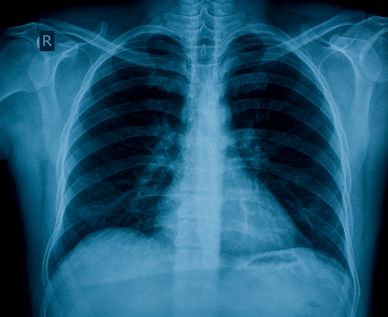
This perspective on how the lungs function—or any other similar perspective—can occur moment by moment, with every breath, continuously influencing and shaping the body’s overall function.
”The views expressed here reflect a personal perspective and theoretical interpretation of human body function and are intended for explanatory purposes only, not as medical advice.”