Walking
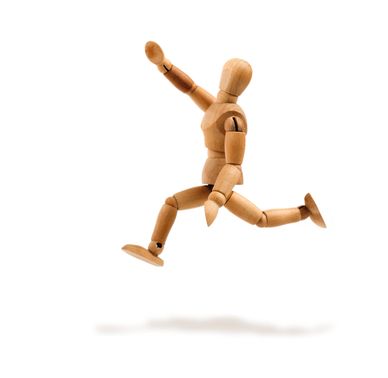
To move from point A to point B, which part of the body initiates the movement?
Along this path, what role does your gaze play in shaping how you move?
Is your gaze on your feet, the path, or the destination?
This is a principle—a mindset—that defines both your movement pattern and how you operate your body.
Stepping-Led Movement
One common way of moving the body is by leading with the steps. In this approach, imagine each step you take forward is like a pole vault, your leading foot plants, as tip of the pole, and your front leg withstands a pole-vaulting-level force as it tries to guide and move the rest of the body–here like an athlete– upward and forward, propelled by the energy stored in it like bowed pole and this action is carried out consecutively and leads to walking.
the gaze is usually directed toward the feet or toward the nearby section of the path, close to where the next step will land.
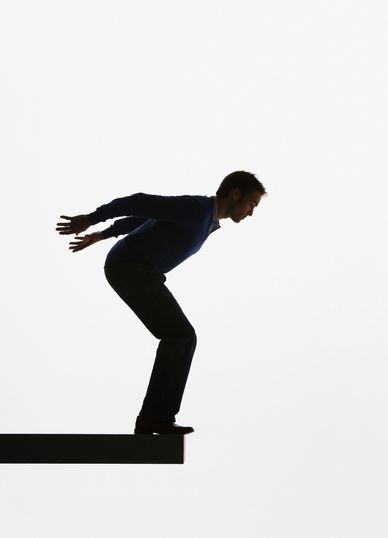
Upper-Body–Led Movement
Another method is advancing the body by leading with the upper torso and head. By moving the torso, arms, and often the head and neck forward, body weight shifts ahead, to a new balance point.
To maintain balance in this new position, the legs follow and plant under the torso. With each new forward movement of the torso, the next step naturally occurs.
In this pattern, the gaze is often directed downward. Because of this, there is usually less conscious attention to the path itself, and the walker can move while being mentally absorbed—thinking or daydreaming.
Pelvis-Led Movement
A third method of locomotion is movement initiated from the pelvis. In this case, the pelvis is the primary driving element. As the pelvis advances forward, the torso, neck, and head remain aligned and move together with it.
When the pelvis reaches a new forward position, the supporting leg moves underneath it—similar to airplane landing gear deploying during touchdown. The previous support leg, which is now behind the pelvis, folds upward from the hip joint like a hinge and swings forward to land under the pelvis at the next point, again like landing gear touching down.
It is important to emphasize that the entire transfer and swing of the leg originates at the hip joint. The knee and ankle joints serve mainly guiding and balancing roles. The true work of relocation—from one point to another—is performed by the pelvis.
In this style of walking, the gaze is directed forward, toward the horizon or the destination. The field of vision becomes wider, and awareness extends beyond the immediate path or the endpoint itself.
All of these states—or any other mindset about the trigger point of movement and the direction of gaze—can be expressed through everyday activities, such as running, slowing down while descending a slope, using step exercises at the gym, and beyond.
”The views expressed here reflect a personal perspective and theoretical interpretation of human body function and are intended for explanatory purposes only, not as medical advice.”